


“WE WORK TODAY ON THE THEMES OF TOMORROW’S SUSTAINABLE WINE PRODUCTION.”
BUSINESS MANAGER KOLJA BITZENHOFER SPEAKS ABOUT THE STATE WINERY AND ITS WINES
Staatsweingut Freiburg
Merzhauserstraße 119
79100 Freiburg
| Phone | +49 (0)761/401654320 |
|---|---|
| Fax | +49 (0)761/401654321 |
| staatsweingut@wbi.bwl.de |


Office Hours
Vinothek Freiburg: Mo-Fr 10:00 – 19:00 Uhr Sa 10:00 – 16:00 Uhr Vinothek Blankenhornsberg Mo-Fr 12:00 – 17:00 Uhr Mai- Okt Mo-Mi 10:00-17:00 Uhr Do-Fr 10:00 – 18:00 Uhr Sa: 10:00 – 16:00 UhrOwner
Land Baden-Württemberg
Cellarmaster
Werner Scheffelt & Benedikt Jehle
Member Since
1926
Wine Area
38,00 acres
Grape Variety
Spätburgunder, Riesling, Weissburgunder, Ruländer sowie u.a. Gutedel, Chardonnay, Muskateller, Cabernet Carbon, Johanniter
Geology
Urgestein-Verwitterung (Gneis), Vulkangestein (Tephrit)
Sites
Growing Areas
Sparkling Wine / Sekt
Memberships
- Slow Food
- Wine in Moderation
VDP: What is so special about your winery?
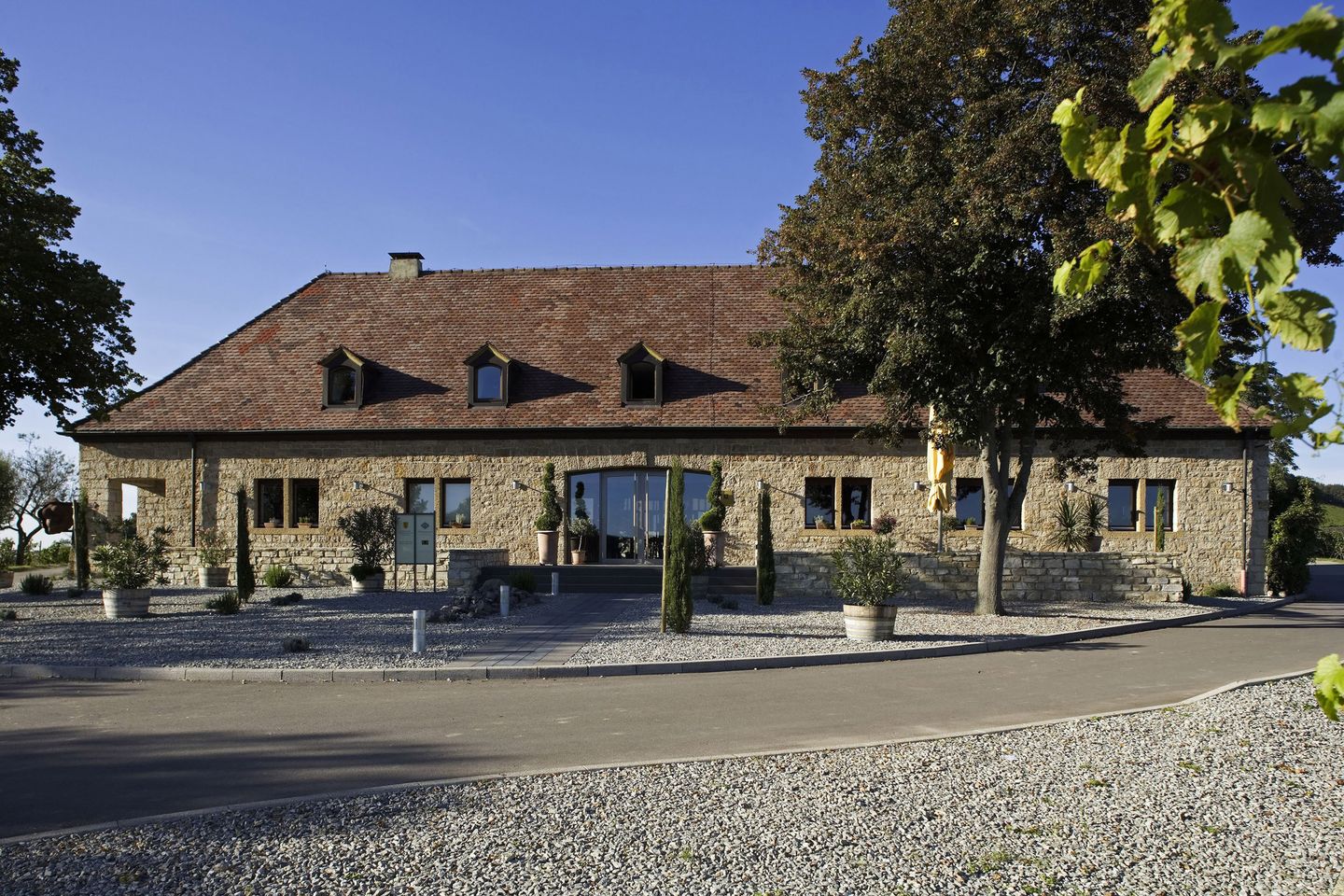
Kolja Bitzenhofer: We are an integral part of the State Viticulture Institute in Freiburg. Today, we are working on issues that will ensure a sustainable wine industry for tomorrow. The state winery cultivates the institute's vineyards, supports research work, and immediately implements new findings and methods in its operations.
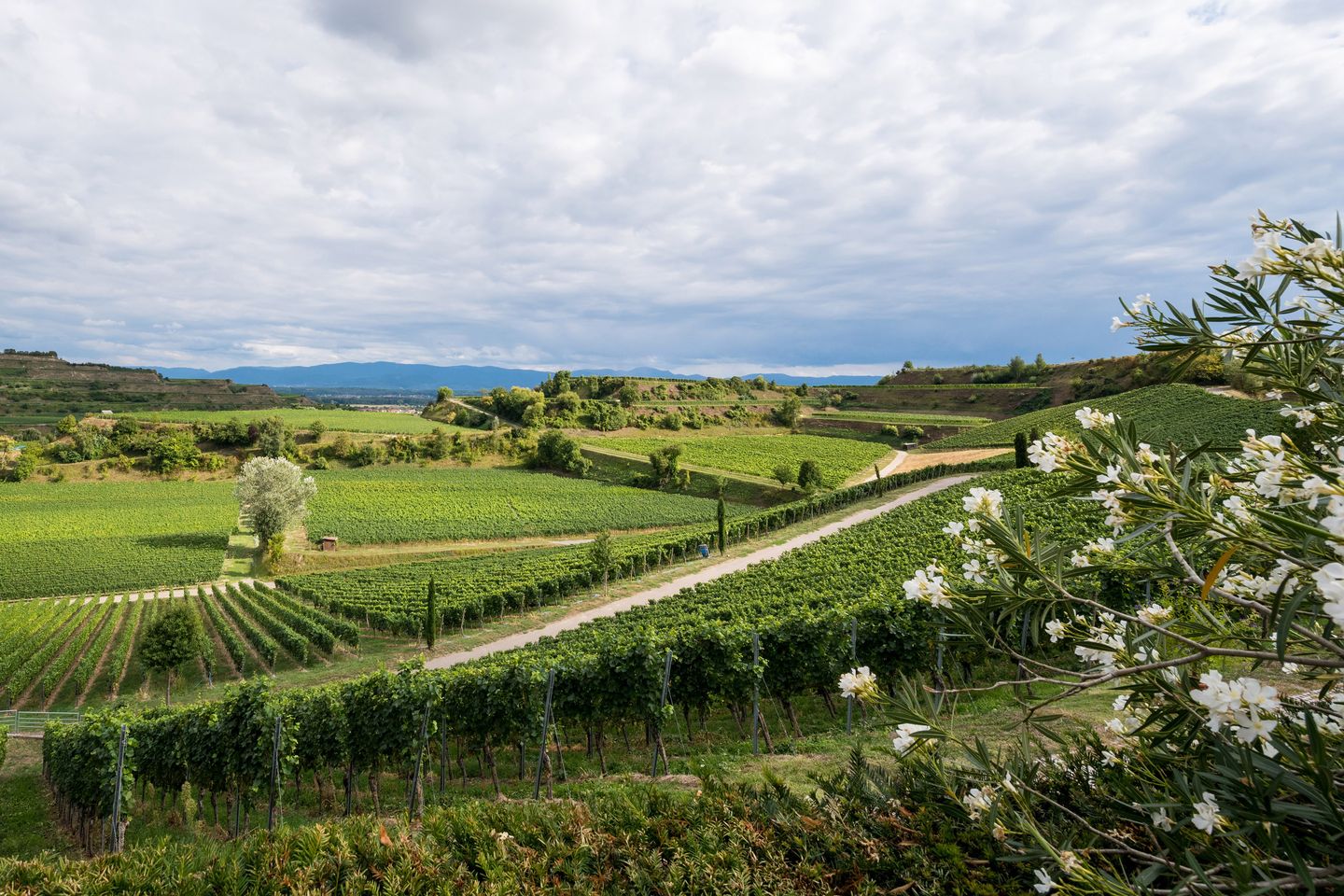
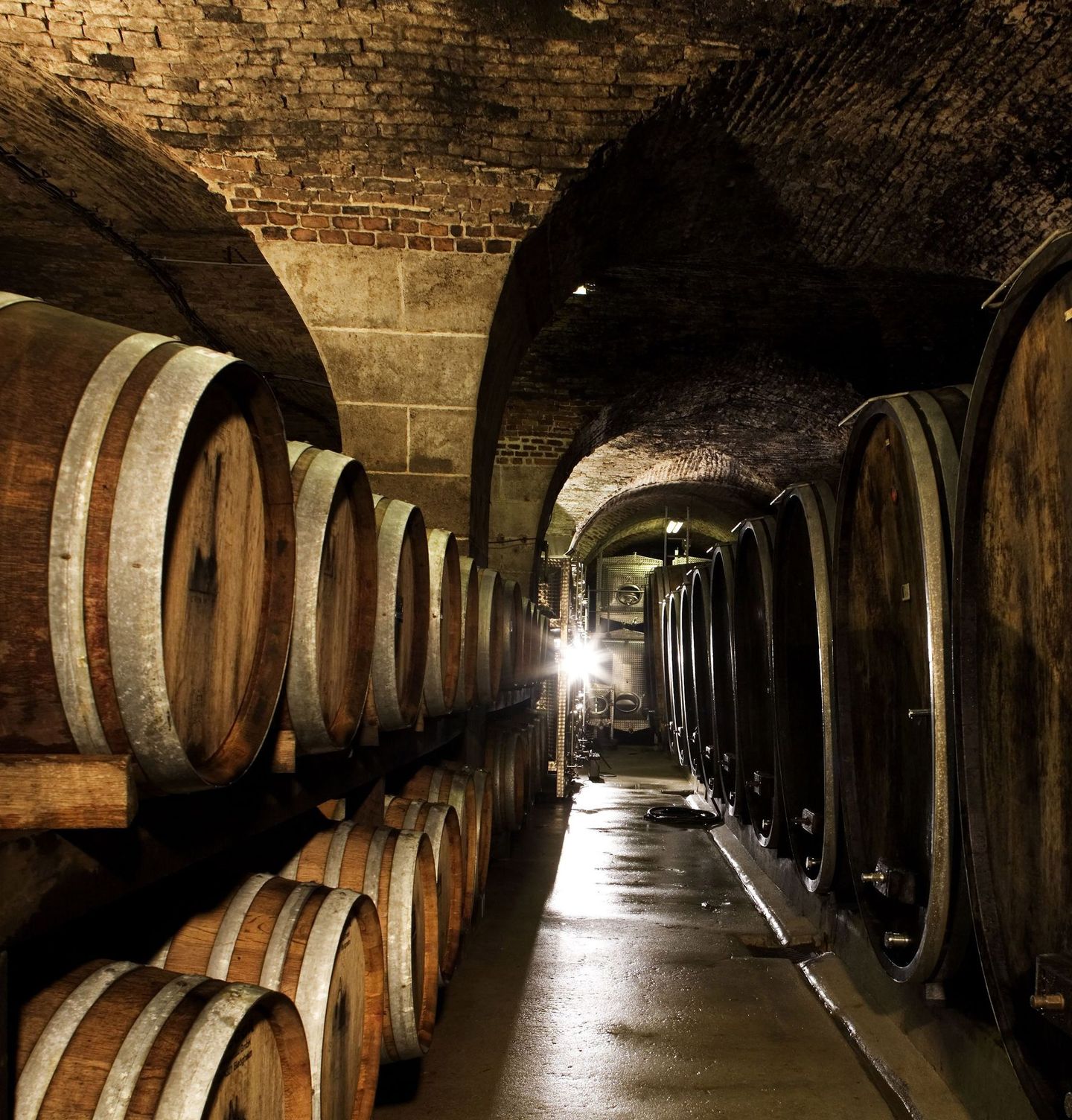
The Blankenhornsberg estate was founded by the Blankenhorn family in 1842. Adolph Friedrich's son, Professor Dr. Adolph Blankenhorn, was the co-founder of German viticulture science and played a decisive role in the development of grafted vines to combat phylloxera. He was co-founder of the Baden and German Viticulture Association and its first president. The vaulted cellar, which still stands today, bears witness to this important figure in the wine industry and is thus part of Baden's viticultural history. In addition, the state winery cultivates two of the 100 best vineyard sites, the VDP.GROSSEN LAGEN SCHLOSSBERG in Freiburg and, as sole owner, the two sites DOKTORGARTEN Winklen and DOKTORGARTEN Kleintal.
VDP: What is your winery philosophy?
Kolja Bitzenhofer: It is our aim to cultivate our unique vineyards sustainably in order to set an example for the wine industry and bring innovation to the sector. For us, sustainability means not only that our production processes in the vineyard and in the cellar are in harmony with nature and consumer health, but also that they are socially responsible and economically viable. With the expertise of the State Viticulture Institute behind us and the enormous wealth of experience of our VDP colleagues, we are constantly working to bring out the characteristics of our vineyards, which are classified as VDP.GROSSE LAGE®, in our wines.
DOKTORGARTEN
Weißburgunder GG
VDP.GROSSE LAGE®

VDP: To which wine style do you aspire?
Kolja Bitzenhofer: For our VDP.ERSTE LAGE® wines and the GGs, we cultivate a classic international wine style that is influenced by our proximity to Burgundy. However, when it comes to estate wines, we are also open to innovative and modern wine styles and varieties. One example of this is our fungus-resistant grape varieties.
“It is our aim to cultivate our unique vineyards sustainably in order to set an example for the wine industry and bring innovation to the sector.”

VDP: Which of your wines would you recommend to someone who doesn't yet know your winery – as an introduction, so to speak?
Kolja Bitzenhofer: The PINO MAGMA Kaiserstuhl VDP.GUTSWEIN is the perfect introduction to our Burgundy range, while the Souvignier Gris is a great way to get started with our research. Visitors will also be surprised by our Chardonnays, dry Muscat, and sparkling wines.
VDP: Of which wine are you particularly proud?
Kolja Bitzenhofer: Pino Magma Kaiserstuhl – This is a joint project involving 16 wineries and cooperatives in the Kaiserstuhl region, producing a unique cuvée of Pinot Blanc and Pinot Gris. It is vinified according to strict criteria that we have developed together. The wine is also available as a Réserve wine, which must be aged for 24 months before it goes on sale.

VDP: Why did you become a vintner?
Kolja Bitzenhofer: The epiphany came during my studies. After an internship in marketing at a large food manufacturer, it became clear to me that I wanted to create an authentic product with provenance and offer it to customers.
VDP: Do you have role models?
Kolja Bitzenhofer: My mentor was my predecessor, Bernhard Huber, with whom I had the privilege of working here at the state winery for 16 years. There are many role models both at home and abroad.
VDP: How do you combine tradition and innovation?
Kolja Bitzenhofer: Our proximity to the State Viticulture Institute in Freiburg gives us an advantage that no other winery has. We only adopt innovations that improve wine quality and are sustainable at the same time. This is particularly evident in the cellars. Stainless steel equipment, cooling technology, air conditioning, modern processing equipment, gentle filtration and pumping techniques have brought about major improvements.